Search Now...
Search

This report details the Jenkins to GitLab Migration Success, spearheaded by Kinetic Skunk’s expert DevOps team. Notably, the mobile team, handling both Android and iOS SDKs, experienced a smooth transition. Kinetic Skunk’s in-depth knowledge and adherence to DevOps best practices were pivotal. They ensured a swift adaptation to GitLab, significantly boosting productivity. Furthermore, the migration fortified security for the financial authentication leader, solidifying their defense against fraud. Overall, the strategic alliance with Kinetic Skunk has set a benchmark for future migrations.

In the digital era, security is paramount. Enter DevSecOps, the blend of development, security, and operations. It’s not just a trend; it’s a necessity. And GitLab is leading the charge.

Teleport, the secure infrastructure access company, announced its debut on the Citizens JMP Cyber 66 list, which recognizes the 66 hottest privately held cybersecurity companies.

AI marks a big industry shift that will make it easier to develop, secure, and operate software. GitLab infuses AI throughout the entire software development lifecycle by incorporating it into their comprehensive enterprise DevSecOps platform.

GitLab, the most comprehensive AI-powered DevSecOps platform, today announced that it has received the 2024 Google Cloud Technology Partner of the Year Award in the Application Development - DevOps category. This is the fourth consecutive year GitLab has been recognized.

Gitlab announced the general availability of GitLab Duo Chat.

Lens Control Central allows enterprises to centralize and manage their security needs for large deployments.

Edward Ionel talks about how Mirantis Lens unifies Dev & Ops around Kubernetes workflows. With unique features, a wide user base, and great flexibility, Lens is sure to ease your Kubernetes operations.
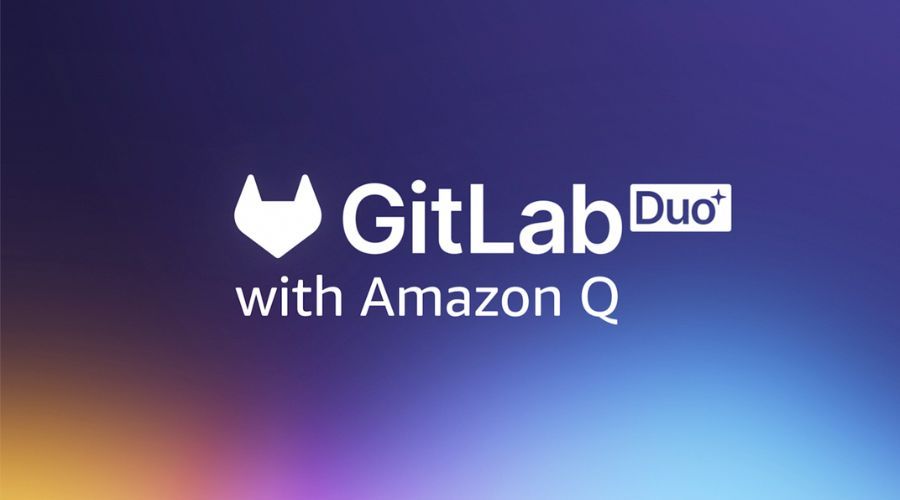
At AWS re:Invent, AWS and GitLab, announced an integrated offering that brings together GitLab Duo with Amazon Q. Together, GitLab Duo and Amazon Q provide a seamless AI-powered developer experience that combines DevSecOps workflows with Amazon Q autonomous agents to help organizations deliver secure software faster.

Bill Staples has been appointed as the new Chief Executive Officer (CEO) and a member of the board of directors, succeeding co-founder Sid Sijbrandij.

With a perfect 5 out of 5 score for Support Experience, Sysdig becomes the only company to achieve top customer ratings for both CNAPP and CSPM by Gartner Peer Insights™

Since 2016, Lou Hill—a security engineer and founder of Cloudbunker—has trusted Bitwarden for secure password management. What began as a personal solution quickly scaled to power his IT consulting firm and its clients. From internal operations to managed service offerings, Bitwarden helps Cloudbunker enforce strong security, streamline access, and eliminate poor password practices. Now preparing to onboard 200 more users, Hill credits Bitwarden as a future-proof solution for secure, scalable growth.