Search Now...
Search

Join us on 3rd July 2026, for a joint Canonical x SoftwarePlaza/ Amazic event designed for IT leaders, architects, and innovators looking to shape the next era of cloud infrastructure. This is your opportunity to connect with industry experts, discover the latest open source solutions, and dive deep into the future of sovereign cloud and digital sovereignty.
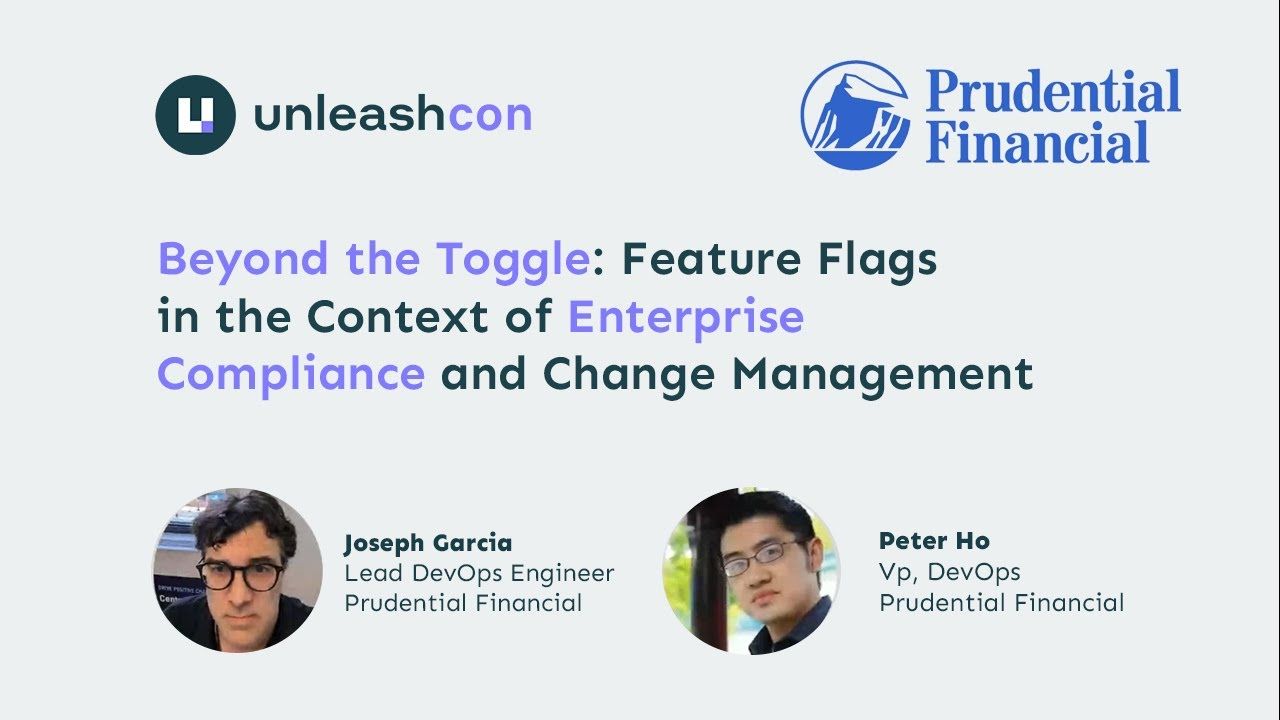
Prudential adopted Unleash to unify governance, accelerate developer productivity, and prepare its global teams for the AI era—all while maintaining strict audit and compliance standards

ANWB modernized its development workflow by replacing fragmented, outdated tools with GitLab’s all-in-one platform. This shift enabled improved CI/CD, greater team autonomy, and streamlined collaboration, while laying the foundation for future cloud and Kubernetes adoption.

Bendigo and Adelaide Bank simplified its complex toolchain by migrating from GitHub, Jenkins, and Checkmarx to GitLab Ultimate. The move accelerated CI/CD, enabled multi-cloud deployments, reduced operational costs, and improved collaboration, agility, and developer onboarding.

Bitpanda scaled its DevOps function using GitLab Premium, enabling fast developer onboarding, streamlined CI/CD pipelines, and deep visibility into project status. The unified platform improved workflow efficiency, supported rapid team growth, and ensured compliance and operational transparency.

Greetz successfully migrated its high-capacity online store from Oracle RAC to MariaDB Galera Cluster, achieving improved performance, high availability, and reduced total cost of ownership. The migration ensured data integrity, enabled real-time BI and disaster recovery, and provided a scalable, reliable database platform for future growth.

Wayfair leveraged Unleash's scalable feature management to save millions annually, streamline developer productivity, and seamlessly handle peak traffic demands.

Stack Overflow standardized its enterprise deployments using Octopus with Configuration as Code, enabling tenanted deployments, faster CI/CD pipelines, and improved development workflows. The approach provides version-controlled deployment processes, streamlined multi-customer software delivery, and enhanced operational automation.

Recruit Wizard modernized its deployment process with Octopus Cloud, enabling daily releases, reducing errors, and empowering its distributed team. By adopting Configuration as Code, the company streamlined CI/CD pipelines, improved developer productivity, and scaled operations efficiently across Kubernetes and virtual machines.

Guestline transformed its EPOS software deployments with Octopus Cloud, automating updates across 800+ hotels and saving 2,000 hours per release. By using tenanted deployments and CI/CD pipelines, the team now delivers faster, consistent, and reliable software updates while reducing manual effort and supporting global scalability.

Smartsheet boosted productivity and customer engagement by integrating Grammarly’s AI writing tools. Saving ~1,600 hours annually and achieving 283% ROI, the Customer Success team now communicates faster, more clearly, and with confidence across emails, Slack, and internal documents.

KnowBe4 strengthened its AWS security and infrastructure resiliency by implementing Teleport for unified identity and access management. The solution modernized privileged access, eliminated static credentials, and improved auditability, while keeping engineers productive. With Teleport, KnowBe4 achieved a scalable, secure foundation for its growing cloud environments, enhancing compliance, reducing operational overhead, and enabling faster, frictionless access across AWS and Kubernetes.