Search Now...
Search

Join us on 3rd July 2026, for a joint Canonical x SoftwarePlaza/ Amazic event designed for IT leaders, architects, and innovators looking to shape the next era of cloud infrastructure. This is your opportunity to connect with industry experts, discover the latest open source solutions, and dive deep into the future of sovereign cloud and digital sovereignty.

Feature flags are powerful control mechanisms — but without proper security, they can become critical vulnerabilities. This article explores best practices for securing feature flag systems, including strict RBAC enforcement, server-side authorization, secure token management, change approval workflows, immutable audit logging, and compliance alignment with frameworks like National Institute of Standards and Technology and OWASP. Learn how to treat feature flags as Tier-1 infrastructure and protect your release process from accidental or malicious misuse.
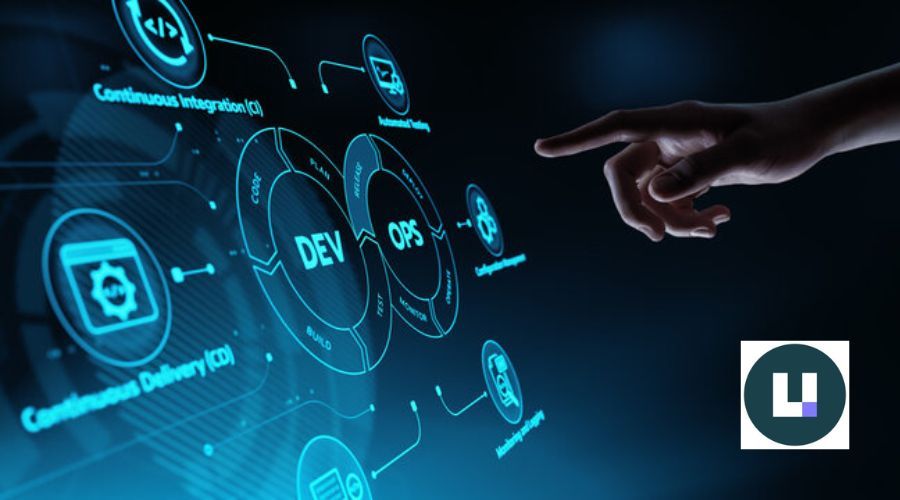
Platform engineering is rapidly evolving from infrastructure management to a product-driven discipline focused on developer experience. As organizations adopt internal developer platforms, federated models, AI-powered automation, and “shift down” security, platform teams are redefining how software is built and delivered at scale. Discover the trends, metrics, and strategies shaping the future of modern DevOps and platform engineering.

AI governance is no longer just a policy exercise—it must operate at runtime. As organizations adopt agentic AI, securing changes in production requires runtime controls like feature flags, progressive rollout, instant rollback, and automated safeguards. This article explores how combining RBAC, change approval workflows, audit logging, and runtime governance enables faster, safer AI adoption without slowing innovation.
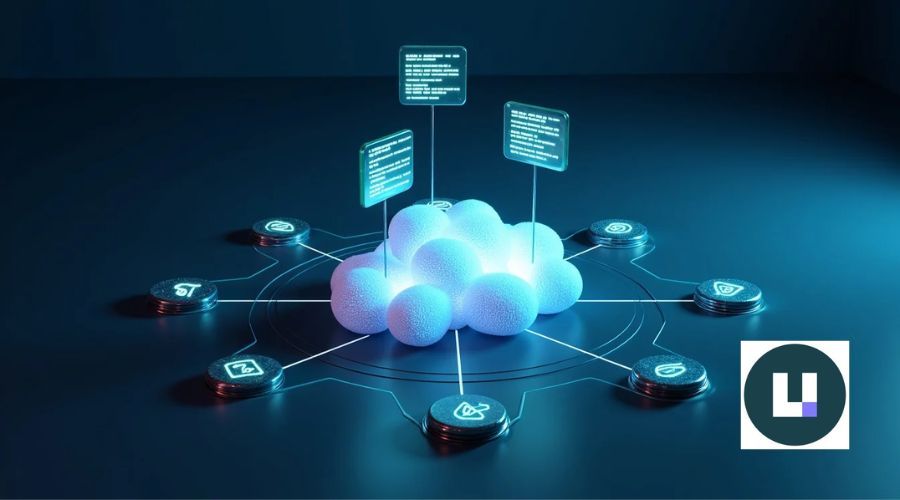
Self-hosting feature flags with Unleash gives teams full control over their deployment, security, and scaling. Running on Kubernetes with official Helm charts simplifies production setups, enabling high availability, multi-region deployments, observability, and seamless integration into CI/CD pipelines. Treating feature flags as core platform infrastructure lets developers ship safely, maintain compliance, and scale reliably while keeping data fully within your control.
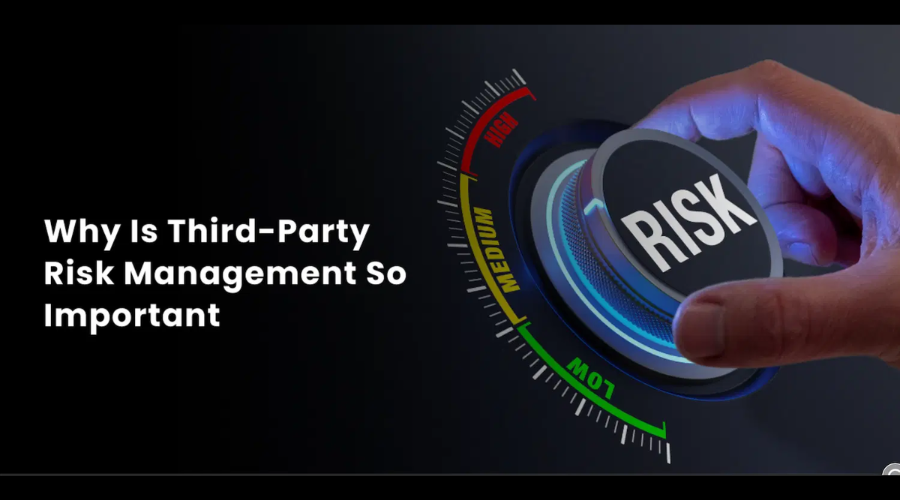
Why is third party risk management so important? Discover its critical role in safeguarding data, ensuring compliance, and minimizing operational risks.

With the technology now in place, organisations can finally transition from passive monitoring to the long-held ideal of active threat neutralisation.

The worldwide supply chain is a complex web of interconnected networks, supported by a range of global supply chain services that keep goods flowing across bord...

Bridge MySQL and MariaDB differences with a practical migration guide covering performance, storage engines, compatibility, and step-by-step actions to ensure a smooth, stable transition success.
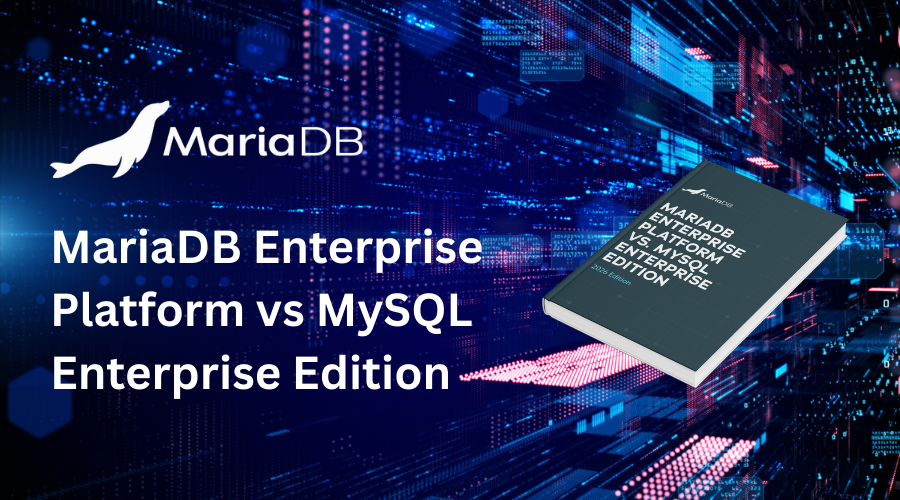
Compare MariaDB Enterprise Platform and MySQL Enterprise Edition, exploring compatibility, architecture, community innovation, and advanced cloud, analytics, and AI capabilities shaping modern enterprise data strategies.
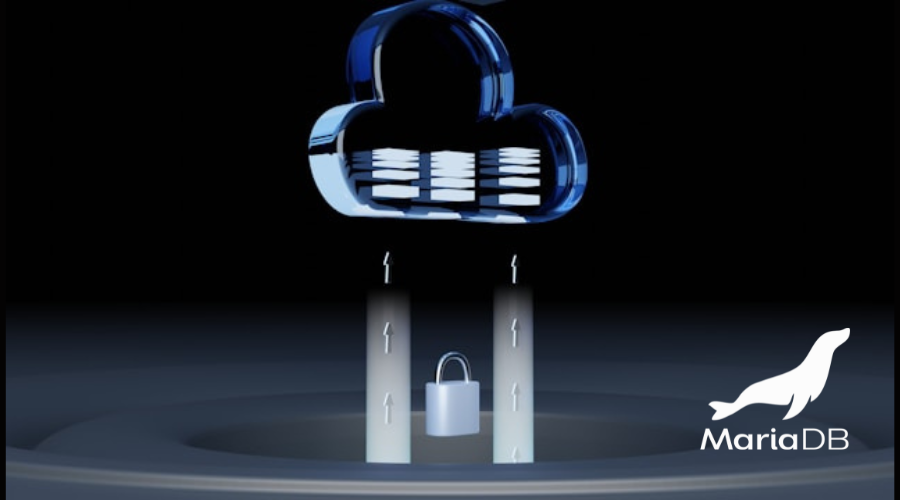
MariaDB helps businesses to redefine their database security in the zero-trust era by providing advanced features like encryption, granular access control, and continuous auditing to verify every request and secure data from internal and external threats.

The cost of security shouldn't limit protection. Docker now offers unlimited access to its Hardened Images (DHI) catalog via an affordable subscription. Get near-zero CVEs, a 95% smaller attack surface, and SRLabs-validated security with SBOM/VEX support for every team, from ML workloads to FedRAMP-ready environments.