Search Now...
Search

Unlock your cloud asset inventory with AI! Discover CloudQuery's new Model Context Protocol (MCP) server, enabling any AI agent to directly query your infrastructure data using natural language. Learn how to empower security, FinOps, and infrastructure teams with real-time dashboards, tables, and reports, eliminating manual exports and boosting autonomous decision-making.

As AI adoption scales, traditional gateways fall short of meeting enterprise demands for performance and governance. This article explores how AI gateways enhanced with semantic caching and content guard are reshaping the infrastructure for responsible and scalable AI deployment. From cutting inference costs to enforcing compliance across data center and edge environments, discover how a code-first approach to managing these intelligent gateways enables consistent, high-performance, and secure AI delivery across any architecture.
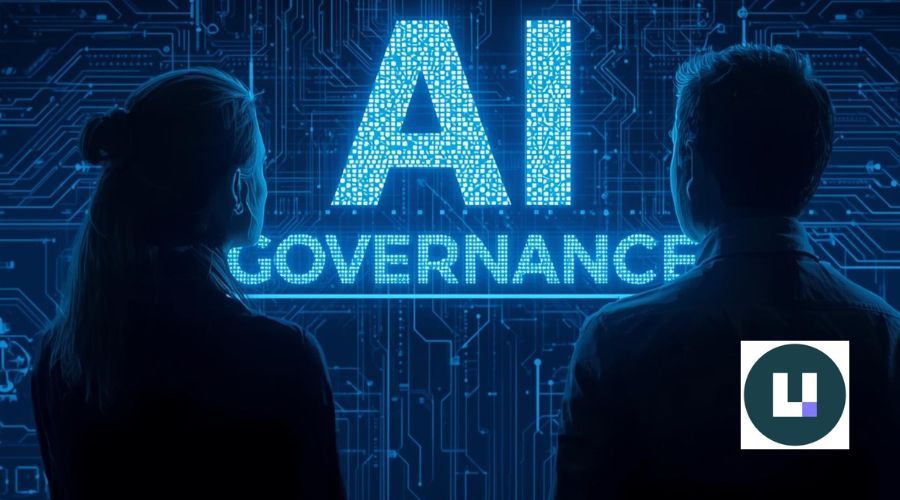
AI governance is no longer just a policy exercise—it must operate at runtime. As organizations adopt agentic AI, securing changes in production requires runtime controls like feature flags, progressive rollout, instant rollback, and automated safeguards. This article explores how combining RBAC, change approval workflows, audit logging, and runtime governance enables faster, safer AI adoption without slowing innovation.

Learn how AI in data security is transforming enterprise protection, addressing risks, and enabling compliance. Explore use cases, best practices, and tools like AccuKnox for safeguarding AI workloads.

AI code is the new Shadow IT, and it's already everywhere. Discover why AI-generated code is a rising security risk and get a brass-tacks guide for CISOs and security leaders to implement a layered strategy, combining governance and technical controls—with tools like Checkmarx One—to secure code at the speed of AI.

Discover how AI threat detection transforms cybersecurity by identifying emerging threats, securing AI/ML workloads, and enabling proactive, real-time defense for cloud-native and hybrid environments.

This blog introduces GitOps for managing applications and infrastructure using Git, explaining its core principles & benefits like enhanced security, collaboration & automation. It also compares GitOps to CI/CD and highlights how it complements existing DevOps practices.

APIs power modern applications but also expose critical vulnerabilities that attackers often exploit. This article explores why API security testing is essential, how breaches like MOVEit happened, and what organizations can do to protect their APIs. It also highlights the differences between REST, SOAP, and GraphQL security, and how tools like OX Security help ensure complete visibility and protection across the API landscape.

ASPM isn't just for security teams anymore! Discover why developers are the new frontline in AppSec and how Checkmarx is bringing powerful Application Security Posture Management (ASPM) directly into their IDEs, unifying insights and focusing on exploitable risks for friction-free, AI-powered security.

Automatic rollbacks might sound like a safe fallback for failed deployments, but modern software delivery tells a different story. This article explores why human-driven resilience, Continuous Delivery, and progressive delivery strategies are far more effective. Learn how deploying in small batches, using canary or blue/green strategies, and leveraging feature flags can help you respond smarter—and faster—when things go wrong.

Unlock seamless, secure cloud connectivity! Explore AWS VPN types (Site-to-Site, Client VPN), their benefits, and essential setup tips. Learn how to troubleshoot common issues and discover how tools like Netmaker offer robust alternatives for building scalable, resilient networks.

Many teams rely on “skeleton pipelines” that get code to production but haven’t been improved in months—or ever. This article urges software teams to treat their delivery pipelines as critical, evolving parts of their product. It highlights the importance of ownership, accountability, and continuous improvement in the software delivery process to avoid bottlenecks, reduce deployment pain, and enable faster, more reliable releases.