Search Now...
Search
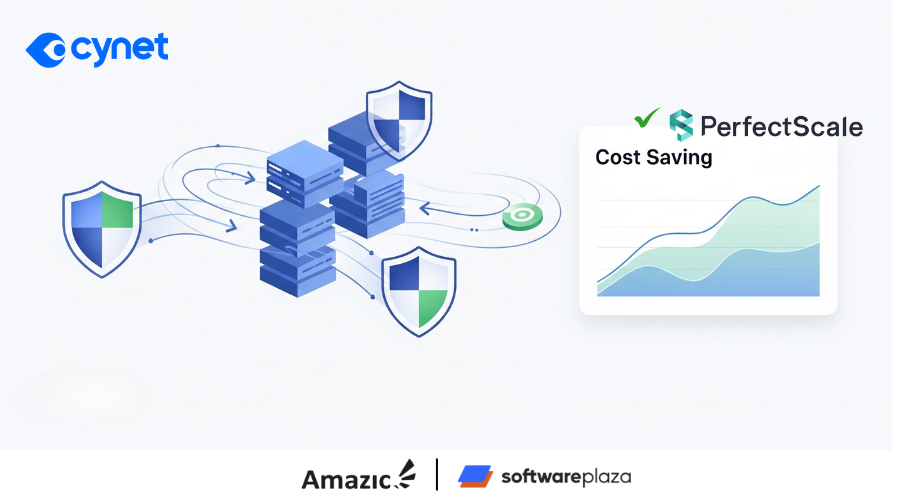
Discover how cybersecurity leader Cynet, with a focus on simplicity, leveraged PerfectScale to gain unprecedented visibility into pod costs, streamline Kubernetes cost optimization, and proactively identify and resolve resiliency issues across their multi-cluster AWS EKS environment, ensuring a stable and cost-effective solution for their customers.
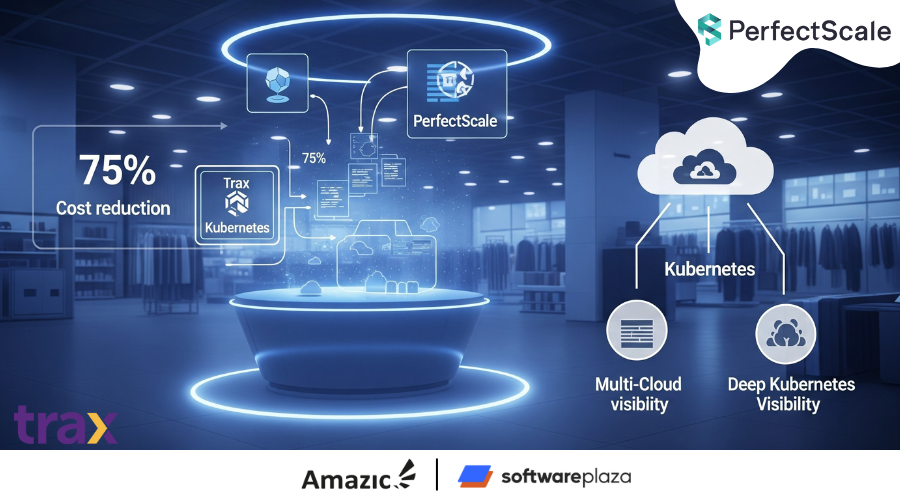
Discover how Trax, a leader in retail technology, leveraged PerfectScale to overcome manual Kubernetes optimization roadblocks, achieving an astounding 75% cost reduction in one cluster (saving over 6-figures annually) and significantly improving their "cost per processing" metric by gaining granular visibility and actionable insights across their multi-cloud, multi-cluster AWS EKS environment.
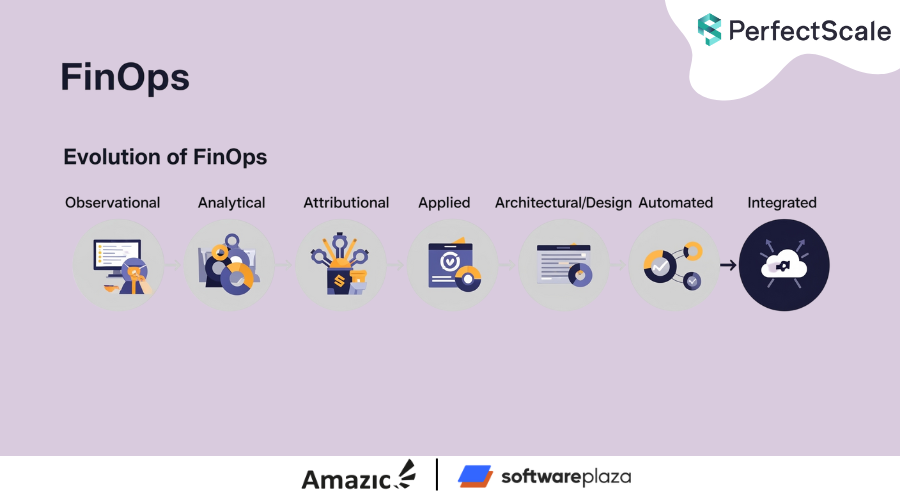
Explore the six evolving phases of FinOps, from the initial "Observational" data collection to "Automated" and the future of "Integrated FinOps," revealing how organizations learn to manage cloud spend and optimize infrastructure efficiently over time.
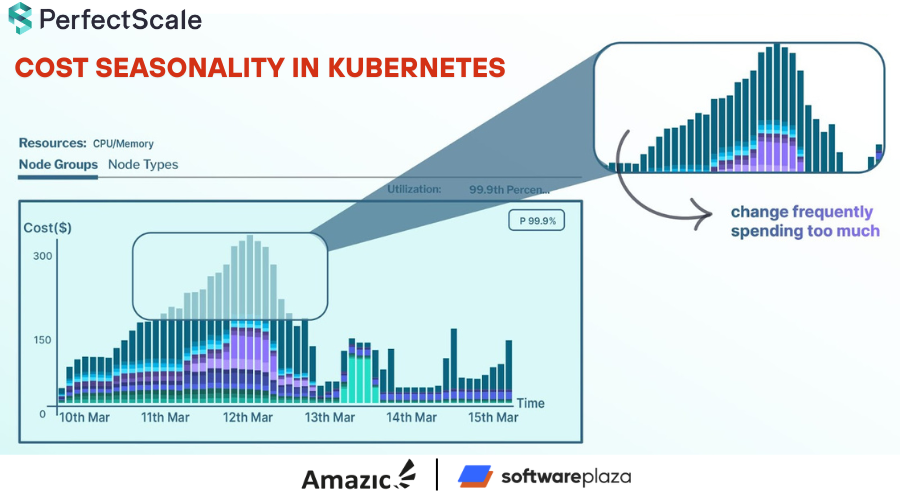
Unpack the concept of cost seasonality in Kubernetes, explore the factors that drive its fluctuations, and discover effective strategies—including right-sizing, autoscaling optimization, and leveraging tools like PerfectScale—to manage and predict your cloud spend while maintaining performance.

Policy as Code (PaC) is transforming platform engineering by embedding security, compliance, and governance directly into developer workflows. It empowers developers with faster feedback, enables secure self-service, ensures consistent environments, and automates policy enforcement—boosting efficiency and scalability. By shifting policy management to code, teams gain transparency, reduce errors, and streamline compliance, paving the way for more secure, scalable, and developer-friendly platforms. The future of internal developer platforms is Policy as Code.

Kyverno is quickly becoming the preferred choice for Kubernetes policy management, offering a Kubernetes-native, YAML-based alternative to OPA/Gatekeeper. With features like intuitive policy writing, built-in resource generation, mutation, policy exceptions, and retroactive enforcement, Kyverno simplifies governance and security in Kubernetes environments. Learn why DevOps and platform teams are making the switch.

Many teams rely on “skeleton pipelines” that get code to production but haven’t been improved in months—or ever. This article urges software teams to treat their delivery pipelines as critical, evolving parts of their product. It highlights the importance of ownership, accountability, and continuous improvement in the software delivery process to avoid bottlenecks, reduce deployment pain, and enable faster, more reliable releases.

At Octopus, we've distilled years of deployment experience into the 10 Pillars of Pragmatic Deployments — a flexible, experience-driven framework to help teams build reliable, repeatable, and user-friendly software deployments. From understanding repeatable and verifiable deployments to achieving seamless cutovers with smart strategies like rolling updates and canary deployments, this guide walks you through modern deployment best practices that work in the real world — not just in theory.

Uncover the pivotal role of PostgreSQL's extensions ecosystem, its historical context, and why it remains indispensable for modern data needs, including AI and analytics. Dive into key extensions like TimescaleDB, PostGIS, and pgvector, and learn how a managed service, like Aiven, mitigates risks and enhances reliability.

DevOps brought developers and operations together to improve software delivery speed and reliability. Now, Platform Engineering builds on that foundation—enabling development teams with self-service tools, golden pathways, and smoother workflows. This article explores how Platform Engineering complements DevOps, supports scale without sacrificing autonomy, and helps high-performing teams reduce complexity while boosting productivity.

Automatic rollbacks might sound like a safe fallback for failed deployments, but modern software delivery tells a different story. This article explores why human-driven resilience, Continuous Delivery, and progressive delivery strategies are far more effective. Learn how deploying in small batches, using canary or blue/green strategies, and leveraging feature flags can help you respond smarter—and faster—when things go wrong.

Stack Overflow adopted Octopus Deploy to streamline and scale its enterprise software delivery using tenanted deployments, automation, and Configuration as Code. By integrating application code, build, and deployment processes in a single GitHub repo, the team improved CI/CD efficiency, enabled better collaboration through pull requests, and reduced deployment times across multiple customers. Octopus's Azure support, API flexibility, and excellent customer service empowered Stack Overflow to standardize and mature its DevOps practices.