Search Now...
Search

A Software Bill of Materials (SBOM) is the key to understanding what’s inside your software—and securing it. This article explores the growing importance of SBOMs in cybersecurity, the difference between static and dynamic SBOMs, how AI is transforming their effectiveness, and best practices for managing software supply chain risk.

The cost of security shouldn't limit protection. Docker now offers unlimited access to its Hardened Images (DHI) catalog via an affordable subscription. Get near-zero CVEs, a 95% smaller attack surface, and SRLabs-validated security with SBOM/VEX support for every team, from ML workloads to FedRAMP-ready environments.

Visma Proceedo, a critical purchase-to-pay cloud solution in the Nordic region serving nearly a million users and processing 12 million invoices yearly with over 20TB of data, faced limitations and rising costs with its legacy proprietary database. After a two-year migration project, Visma successfully transitioned to MariaDB Enterprise Server. This move significantly improved average response times from 1.5-2 seconds to under 700 milliseconds and achieved roughly 10% annual savings in license and support costs. MariaDB's support and proactive improvement proposals also exceeded expectations.
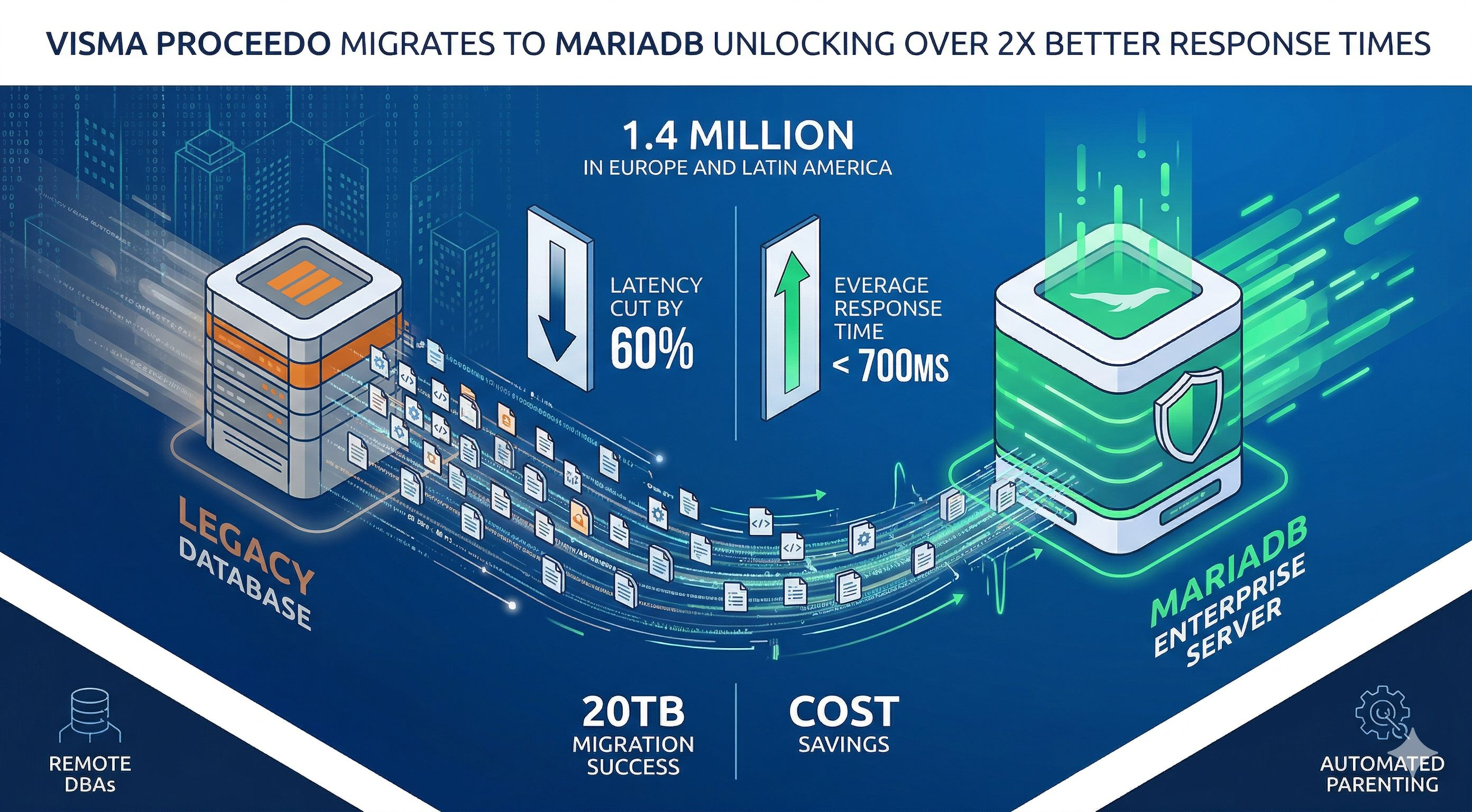
Visma built its large purchase-to-pay cloud solution, Proceedo, on MariaDB and shares why they left a legacy proprietary database after over 20 years.
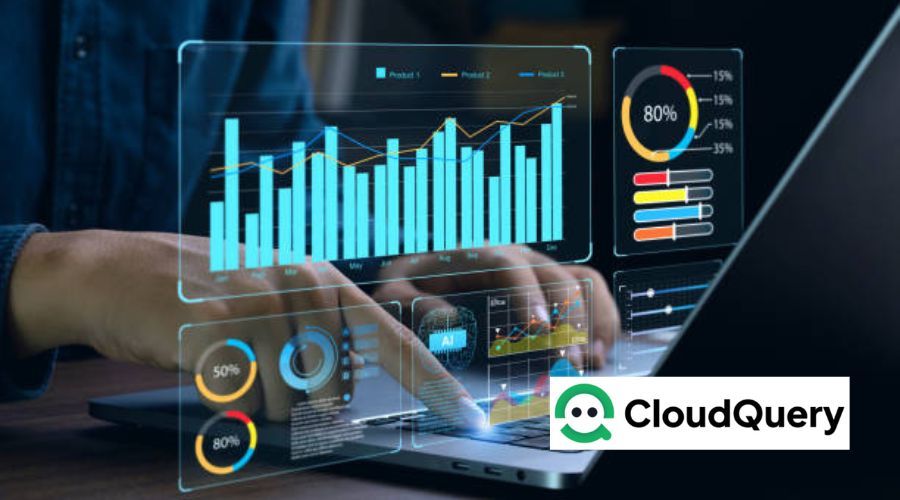
CloudQuery Reports delivers powerful, pre-built dashboards for security, compliance, operations, and cost across your multi-cloud stack—no deep cloud or SQL expertise needed. Get full visibility and control over your infrastructure in one place.

Web application security testing is more critical than ever as enterprises face growing threats and regulatory demands. This article breaks down essential components of an effective testing program—defining scope, blending automated and manual tools, integrating into the SDLC, and prioritizing risk. Learn how modern approaches like ASPM, AI, and continuous monitoring can help security teams stay ahead of evolving vulnerabilities and protect enterprise applications.

Harness AI without sacrificing control! Discover the critical benefits of decentralized AI infrastructure for enterprises, from ironclad data privacy and sovereignty to enhanced security and compliance, and learn how solutions like Civo's relaxAI are setting new standards for responsible AI deployment.

CISOs, stop speaking jargon! Discover why mastering 'Boardish' – the language of business impact and financial ROI – is crucial for cybersecurity leaders. Learn how to bridge the communication gap with your board, overcome biases, secure budget buy-in, and elevate security from a cost center to a strategic business partner.
As Large Language Models (LLMs) begin interfacing directly with real infrastructure, securing their access becomes critical. This article explores how the Model Context Protocol (MCP) enables LLMs to interact with databases and systems—and how Teleport’s Infrastructure Identity Platform ensures secure, auditable access. Learn how teams can enforce least-privilege policies, prevent over-permissioning, and maintain full audit trails even with AI in the loop.
As AI adoption accelerates, managing APIs and ML models at scale is no longer just a technical concern—it's a strategic imperative. This article explores the "Shared Responsibility Model," a forward-thinking approach that bridges MLOps and APIOps using Kubernetes-native tools. Discover how modern organizations are scaling AI safely, maintaining API stability, and accelerating innovation by aligning API management platforms with ML serving systems.

Is invisible workflow inconsistency killing your team's velocity? Discover how undefined PR standards, chaotic branching, constant context switching, and poor onboarding silently derail productivity. Learn practical fixes and how to leverage AI to enhance—not replace—structured workflows, unlocking true speed and developer flow.
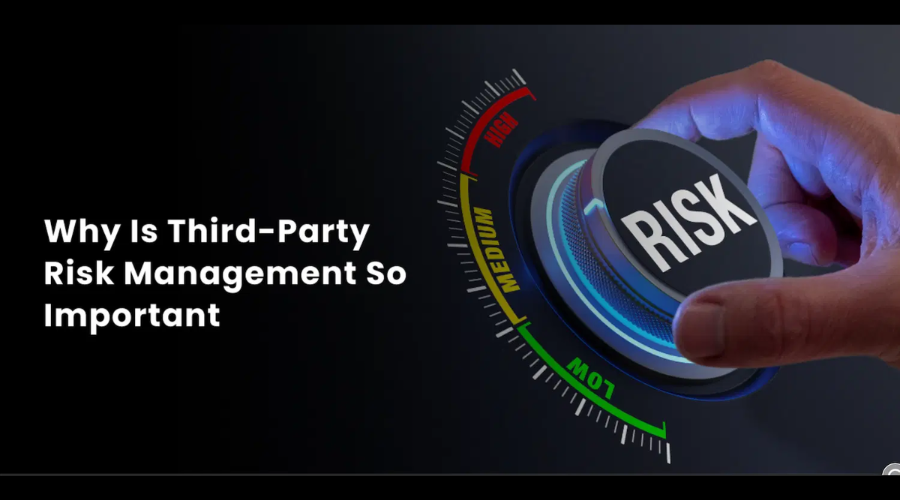
Why is third party risk management so important? Discover its critical role in safeguarding data, ensuring compliance, and minimizing operational risks.